Financial Planning for End of Year Tax Season: Tips for Stress-Free Preparation
Understanding Your Financial Landscape
As the end of the year approaches, it's crucial to get a clear view of your financial situation. Start by gathering all necessary documents, such as income statements, receipts, and previous tax returns. This will help you identify any potential deductions and ensure nothing is missed.
Consider using financial software to make the process more efficient. Tools like QuickBooks or Mint can streamline data collection and help organize your financial records.

Maximize Tax Deductions
One of the best ways to reduce your tax liability is by maximizing deductions. Review your charitable contributions, business expenses, and medical costs. Ensure all relevant receipts and documentation are in order.
Be aware of any changes in tax laws that could affect your deductions. Consulting with a tax professional can provide insights into new opportunities or changes you might not be aware of.
Charitable Contributions
Donations made to qualifying organizations can be deducted, so keep records of all charitable activities. If you plan to make year-end contributions, ensure they're completed before December 31st to count for the current tax year.

Review Retirement Contributions
Contributing to retirement accounts like a 401(k) or IRA can reduce your taxable income. Review your contributions and consider maximizing them to take full advantage of tax benefits.
Remember, contributions to some accounts can be made until the tax filing deadline, giving you extra time to optimize your savings.
Plan for Estimated Taxes
If you are self-employed or have significant non-wage income, make sure your estimated taxes are properly calculated. Failing to pay enough during the year can result in penalties.
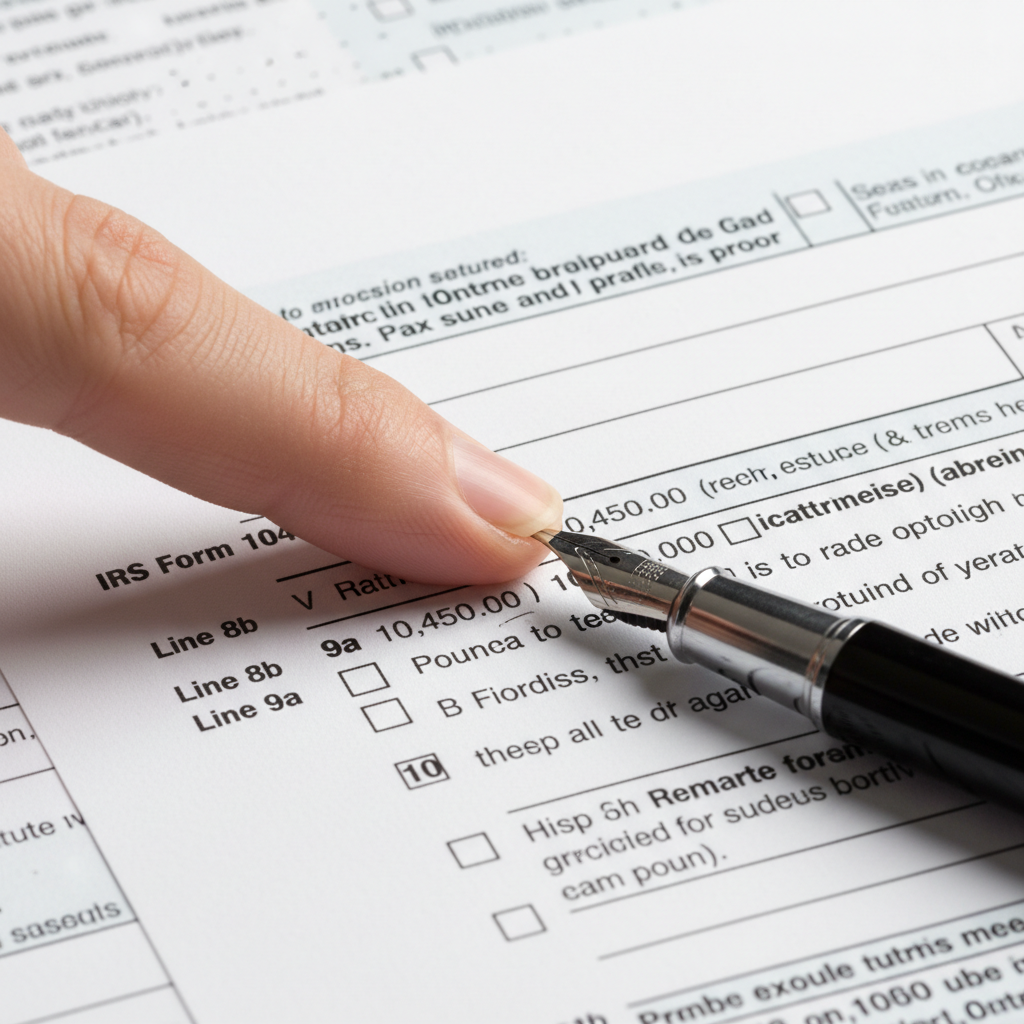
Use IRS Form 1040-ES to ensure your estimated tax payments are accurate and timely.
Organize and Store Records
Keep all financial records organized and accessible. Use digital storage solutions to backup important documents securely. This will make it easier to retrieve information if needed for audits or future tax seasons.
Seek Professional Assistance
If the tax preparation process feels overwhelming, don't hesitate to seek professional help. A certified tax advisor can provide personalized guidance and ensure your taxes are filed accurately.
Professionals stay updated on tax law changes and can identify deductions or credits you may not be aware of, potentially saving you money.
Final Review and Submission
Before submitting your tax return, conduct a thorough review. Double-check all entries, calculations, and paperwork to prevent errors that could trigger audits or delays.
Ensure your return is filed on time, whether electronically or by mail. Missing the deadline can result in penalties, so plan ahead to avoid last-minute stress.
By following these tips, you can approach the end-of-year tax season with confidence and minimize stress. Proper preparation and organization are key to a smooth and efficient tax filing experience.